Euphorbia platyclada

How to Care for Euphorbia platyclada – The dead Succulent Plant

Hi Guys 😀 

In this Blog I am going to be talking about a very weird and very wacky Succulent plant called Euphorbia platyclada and I have also made a special care video on this plant for my Cacti and Succulent You Tube channel called Desert Plants of Avalon and I have the video at the bottom of this Blog page.

Euphorbia platyclada belongs to the Euphorbiaceae group of Succulent plants.

Euphorbia platyclada is a real oddity and because of its ‘weird and dead like’ appearance it is more commonly known as ‘The dead Plant’ ‘Dead Stick Plant’ ‘Dead Wood  Plant’.
Euphorbia platyclada
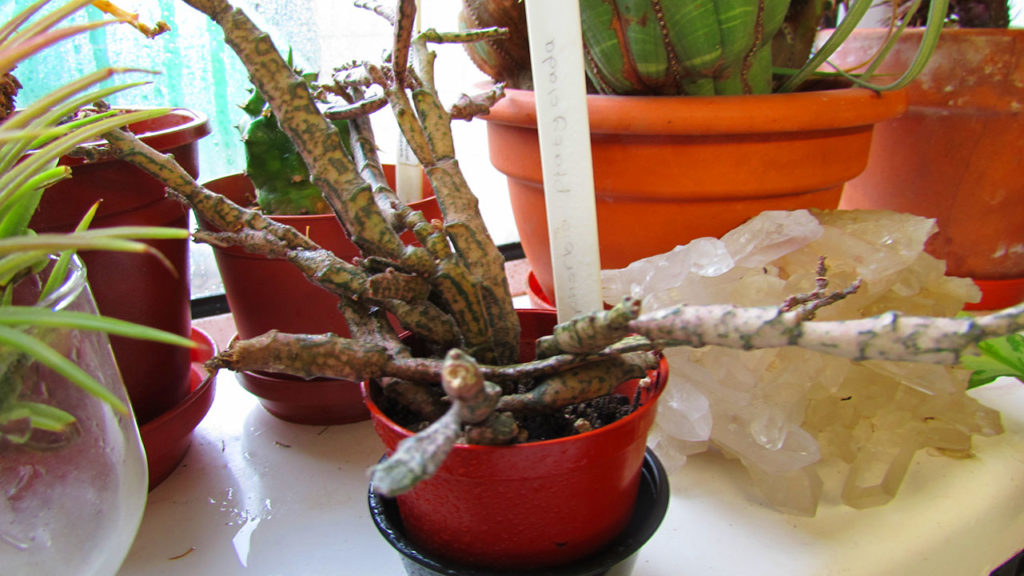
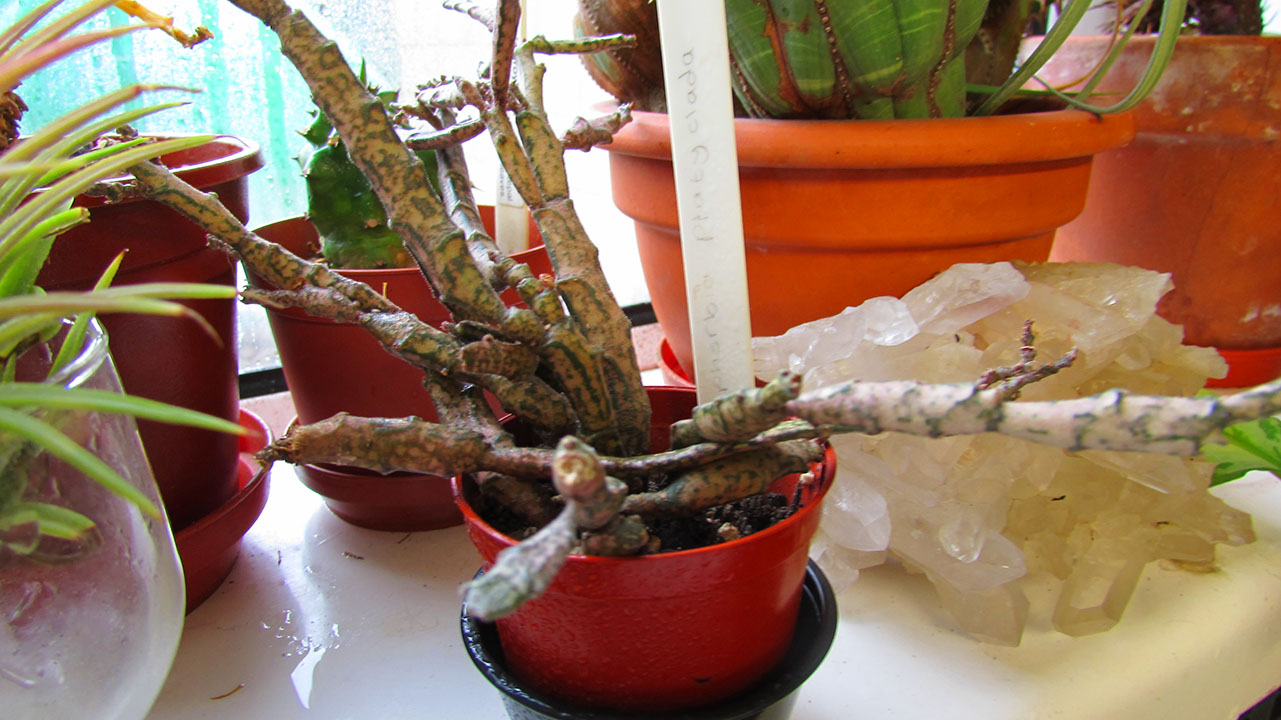
Euphorbia platyclada is a weird and wacky and unusual wonderful little Succulent plant that always looks dead.

This weird and wacky plant is a pinky brown colour and the pink colour becomes brighter in bright sunshine and during the Summer months, in the Wintertime this plant loses its colour more and goes a lighter pink almost grey appearance. The stems are flattened and mottled and hard to the touch resembling ‘dead scabby sticks’ and they emerge from a heavy rootstock, the plant itself is small and totally leafless, the flowers are extremely small and are a orange yellow colour.

The plant itself is not very pretty haha but personally I love its uniqueness and wackiness and I love anything that is different from the norm haha.

Euphorbia platyclada is from Madagascar in Africa where it grows in its natural habitat on the floor of forests.

HOW TO GROW EUPHORBIA PLATYCLADA

Euphorbia platyclada loves a hot and sunny position such as a south facing window or in a sunny greenhouse or conservatory.

These plants can be placed outside during the Spring and Summer months as long as they can be protected from excess rain and winds. They can take a very high temperature as long as plenty of fresh air can be given, In Winter its best to keep these plants above 10c / 50F but they can take lower than this for brief periods especially when kept dry but never overwinter them any lower than 5c / 41F as they can be prone to rot and fungal diseases at temperatures lower than this, ideally try to keep above 10c / 50F at all times.

These plants like plenty of water during the active growing season from Spring to early Fall / Autumn but always allow the soil in their pots to fully dry out before watering them again because Euphorbia platyclada just like all Euphorbia Succulents do not like their roots to be sitting in wet soil as this can cause root rot. From mid Fall / Autumn to late Winter reduce watering  to the bare minimum and only water enough just to stop the plant from shrivelling too much.  In the Winter I only water my Euphorbia platyclada once every 2 months and I overwinter it on a sunny south facing window in my Kitchen. Rainwater is always preferable to tap water if it is available.

Euphorbia platyclada like to be grown in small pots due to their small but heavy rootstock, it is always safer to under rather than over pot, and grow them in a well drained soil especially for  Succulent plants, I like to make my own soil mix up for my Succulents and cacti and use a loam based soil with added perlite or grit and added horticultural sand, but you can use any well draining soil mix to your preference, the most important thing is that the soil is free draining. Re potting is always best done during the Spring and Summer months.

If you want to know How to make your own Cactus and Succulent soil here is a video below that I have made for my You Tube channel called Desert Plants of Avalon on How to make your own Cacti and Succulent soil in 3 easy steps : 

These plants can easily be pruned to keep in shape and cuttings can be taken to be propagated by allowing the cutting to ‘callus’ over for a few days before planting in a well drained soil mix. Its important to be careful when taking cuttings of all Euphorbia plants because of their milky sap than can be irritating to the skin and extra caution should be taken when taking cuttings of all Euphorbia Succulents.

Here is a special care video below that I have made for my You Tube channel called Desert Plants of Avalon on How to care for Euphorbia platyclada and you can watch this video HERE:

Wishing you ALL an abundance of love and happiness and HAPPY GROWING 😀 
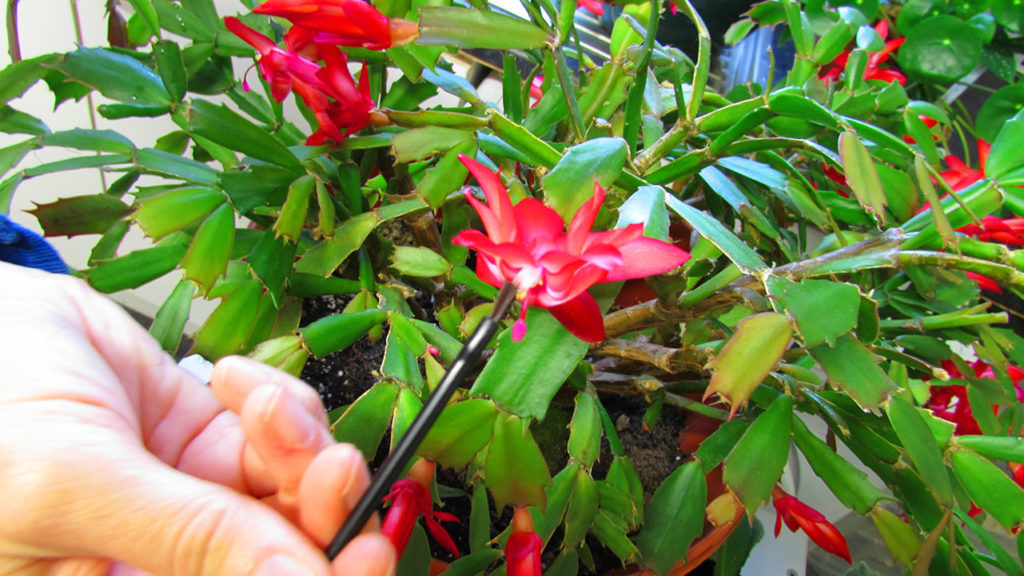


pollinating christmas cactus flowers, pollinating Christmas cactus

How to pollinate Christmas Cactus flowers to get Fruit for Seed

Hi Guys 😀 

Its always so much fun to grow seeds from your very own plants, and at this time of year during the Winter months your Schlumbergera cacti that are more commonly known as the Holiday Cacti, Christmas or Thanksgiving Cactus may be all blooming lovely.

When your Schlumbergera cacti are all blooming lovely this is the perfect time to have fun pollinating the flowers to see if you can get seeds. Pollinating the flowers is very easy to do and in this Blog I include a few videos that I have made for my Cacti & Succulent You Tube channel called Desert Plants of Avalon where I show you on video exactly how you can pollinate the flowers for seed.

pollinating christmas cactus flowers, pollinating Christmas cactus
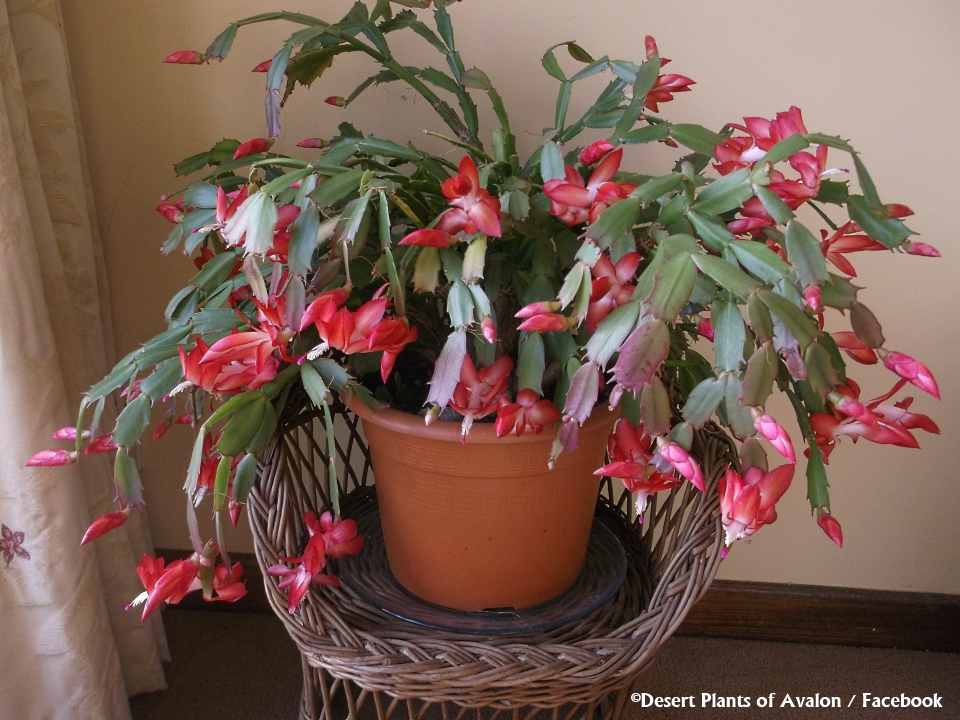
Its so much fun to play the Bee and pollinate your Christmas cactus flowers to see if you can get fruit and seed.

All you need is a Schlumbergera cactus that is in flower, preferably with at least two flowers on as from my own experience I have always find it more successful to cross pollinate the flowers on either the same plant or if you have two different flowering Schlumbergera at the same time, for example a red flowering one and a pink flowering one you can cross the flowers between both of them. 

Christmas cactus, Schlumbergera truncata, red flowering Christmas cactus, Christmas cactus red flowers, Xmas cactus,

I have had great success pollinating Schlumbergera flowers and have had seed on most occasions when I have pollinated the flowers, however I have found that a lot of my more recent Schlumbergera purchases have failed to produce fruit and seeds for me. I have heard that some of the newer hybrids on the markets today are harder to pollinate for seed but I don’t have enough evidence for that just yet. Let me know if you guys have had success with pollinating the flowers on the newer Schlumbergera hybrids available today 😀 

So How do pollinate the flowers for seed ? 

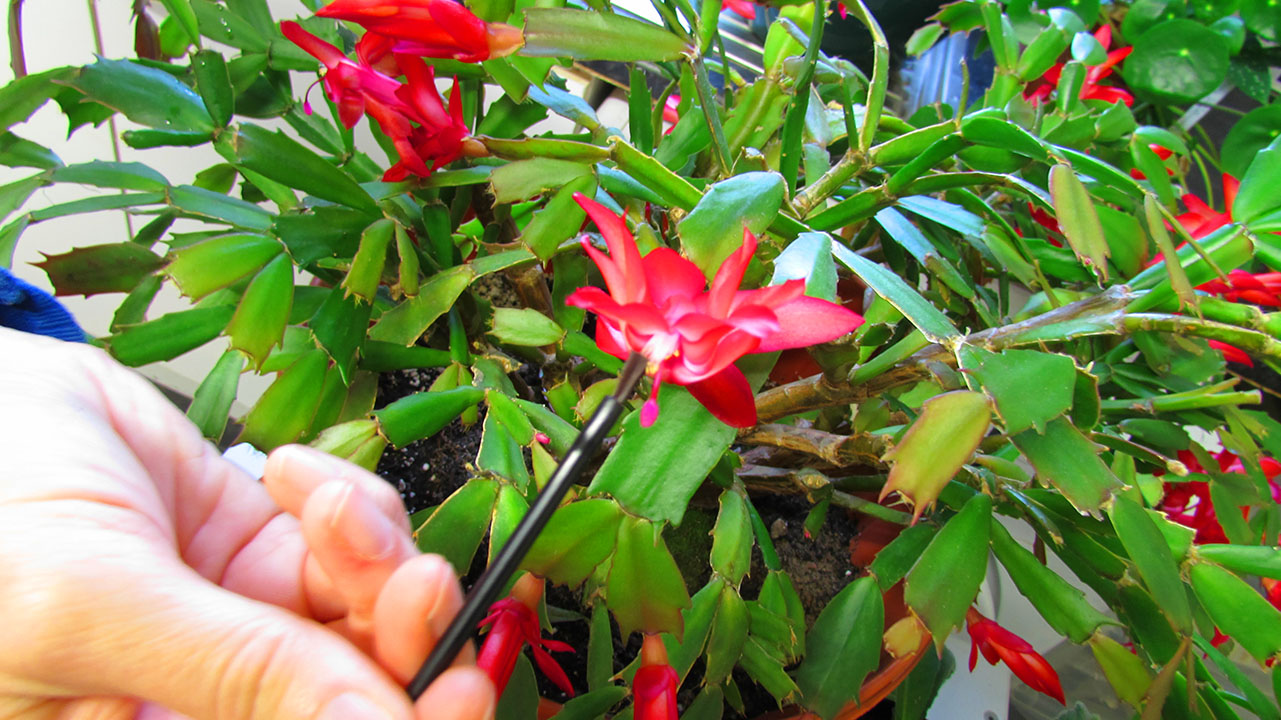
All you need to do is use a clean tiny brush for example a tiny paint brush, lip brush or a q tip cotton bud, and load the pollen from the flower and then dab the pollen from the flower onto the stigma of the flower, this is best if you only have the one flower but if you have more than one flower its best to take the pollen from the the one flower and dab it very gently onto the stigma of the other flower or flowers. 

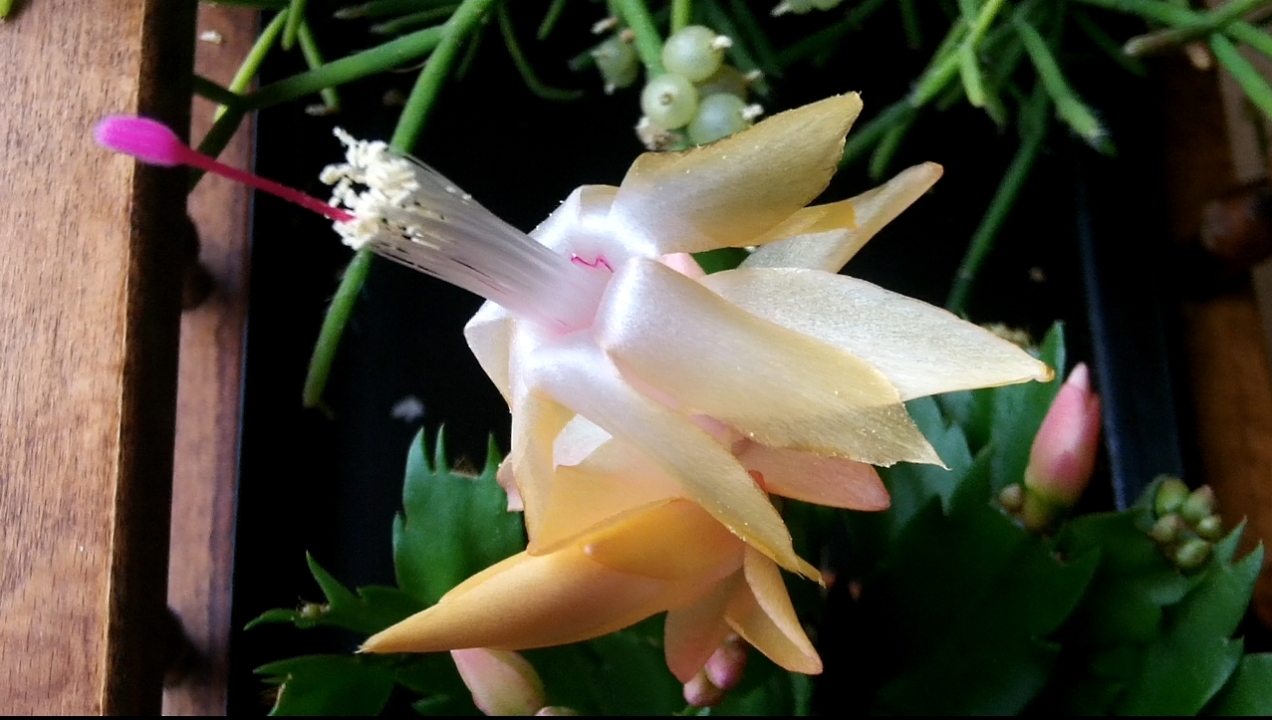
The Stigma is the part of the flower that hangs out almost like a tongue haha, and here is a photo of one of my Schlumbergera’s my Schlumbergera ‘Golden Charm’ in flower with the stigma that is bright pink sticking out. this should hopefully show you what the stigma looks like 😀 

Christmas cactus, Xmas cactus, Schlumbergera truncata, yellow Schlumbergera truncata, golden Christmas cactus, Schlumbergera flowers,

Here is a step by step video that I have made for my Cacti & Succulent You Tube Channel called Desert Plants of Avalon on How to pollinate Schlumbergera Christmas and Thanksgiving Cactus flowers :

If you want to cross pollinate two different flowering Schlumbergera cacti for example a white one crossed with a red or pink or orange then you simply dab the pollen from the one flower/s from the one Cactus onto the other stigma on the other Cactus flower.

Here is a video below that I have made for my You Tube channel called Desert Plants of Avalon on How to Cross pollinate Schlumbergera cactus flowers :  

How do you know when your pollination has been a success ? 

Within a few days the flowers will naturally start to wilt if they have not been pollinated and the flowers will dry up and fall off, but if its been a success then the very base of where the flower emerges from the end of the leaf segment will start to swell up and turn a darker green colour ( see photo below ) 

It can take many weeks, months and even as long as a year for the fruit to be fully ready for harvesting, and you will know when the fruits are ready to harvest for seeds because the fruit pod will go very soft and often a dark red colour just like a juicy small berry. 

Here is a video that I have made for my Cacti & Succulent You Tube channel called Desert Plants of Avalon on How to tell when your Schlumbergera flowers have been pollinated :

Here is a video that I have made for my Cacti & Succulent You Tube channel called Desert Plants of Avalon on How to Harvest the fruit from Schlumbergera to get seeds:

Once you have harvest the seeds then its time to sow them, this is the fun part and although very time consuming to grow these plants from seeds compared to cuttings its so much fun and very rewarding to do 😀 

There are many different methods on growing cacti from seed, but personally I like to grow my seeds in pots that are then placed into ‘baggies’ this keeps the seeds and young seedlings moist at all times without having to worry about the soil drying up. After about 3-6 months depending on their size I then remove them from the clear bags and treat them as young seedlings always making sure the soil is moist but not soggy.

Spring is always the best time to sow seeds including all cacti seeds, but if you have grow lights and additional warmth then you can get sowing them at any time of the year.

Here is a video that I have made for my Cacti & Succulent You Tube Channel called Desert Plants of Avalon on How to Grow Cacti from Seed and this includes all types of cactus plants including Schlumbergera : 

Good luck with pollinating your Schlumbergera cactus flowers and let me know in the comments below if you have had success with pollinating the flowers and growing these beautiful cacti from seed. 

Here is a video below that I have made for my Cacti & Succulent You Tube Channel called Desert Plants of Avalon on the update on my Schlumbergera Christmas Cactus seedlings that I have grown from seed in June 2018.

Sending you all lots of love and plant power from across the Emerald Isle and Happy Sowing and Growing Guys 😀 


Sanicat Pink cat litter Low dust lightweight non clumping

How to use Sanicat / Sophisticat Cat litter made of Molar clay as a soil addition for Cacti and Succulent plants

Hi Guys 😀 

In this weeks Blog  I talk about how you can use a certain type of Cat Litter that is made from 100% Molar clay as a grit replacement and also as a top dressing for all of your Cacti and Succulent plants.

I have recently been using this cat litter as a grit and perlite substitute and as a wonderful component of cactus compost for my cacti and succulent plants, I have been using it as a top dressing too 😀  BUT Please note DO NOT use other types of cat litter ONLY ones made from 100% Molar Clay and non clumping, and I will ONLY be recommending the one I use in this Blog as I have been using it myself with great success.

Sanicat cat litter for cacti,
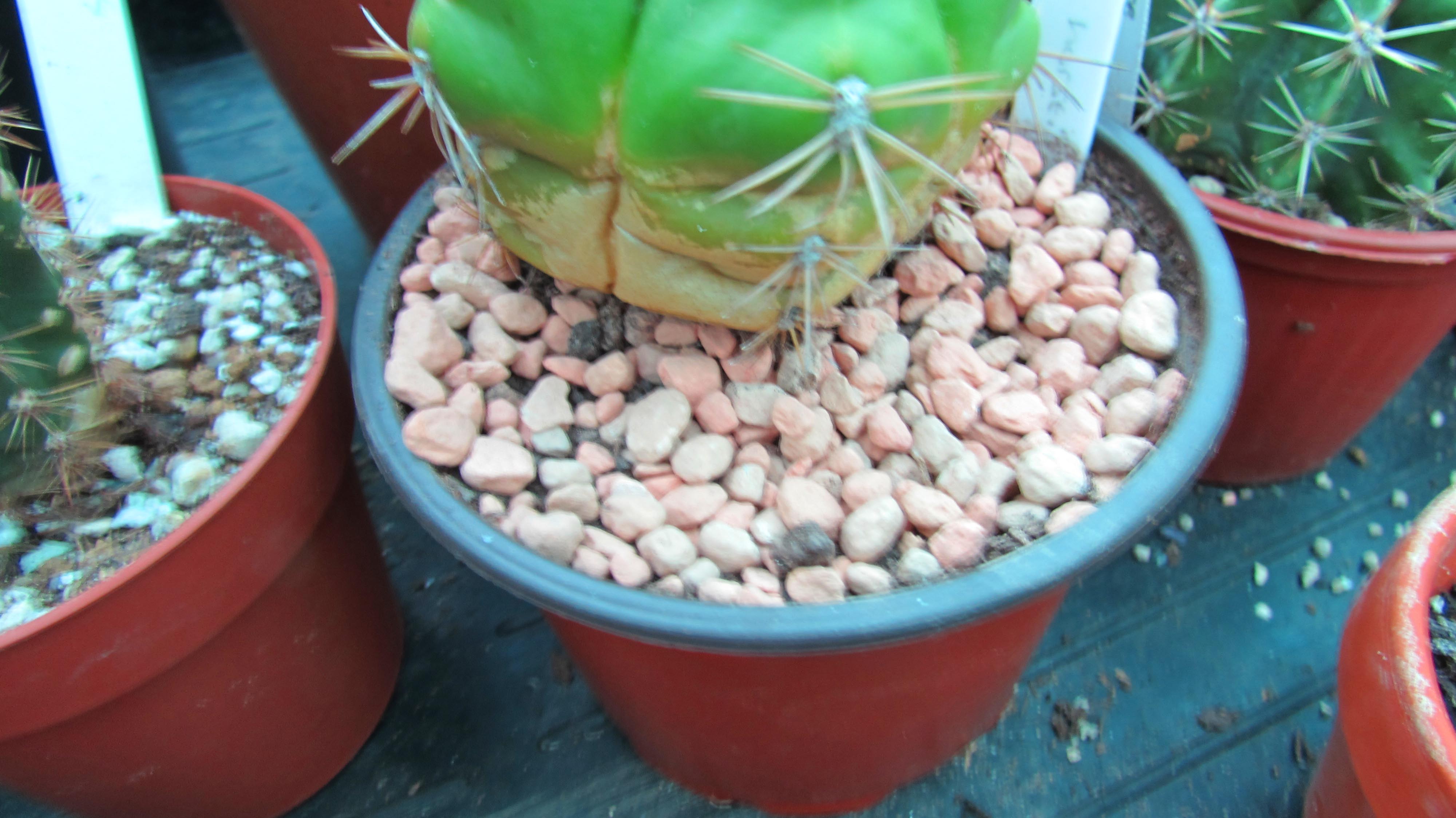
Sanicat Pink lightweight low dust and non clumping cat litter made from 100% molar clay used as a top dressing on my cactus plants.

I first heard about using cat litter as a grit and perlite replacement from my Cactus and Succulent Society friends here in Ireland.

My friends had been using a brand of cat litter from Tesco that is made only from 100% molar clay and sold as Tesco ‘Low Dust Lightweight Cat litter. Tesco is a common Supermarket chain here in UK and Ireland, but sadly Tesco have now discontinued this brand of cat litter and it is no longer available. 

Thanks to my wonderful friend Alex I have found a very good 100% molar clay cat litter replacement. Alex  recommended this product to me after using it on his own beautiful succulent plants and Alex has also had amazing success with growing his succulents using this cat litter as a 100% soil alternative and growing his plants in just this cat litter alone and he has noticed such a difference with the roots of his plants being nice and healthy.

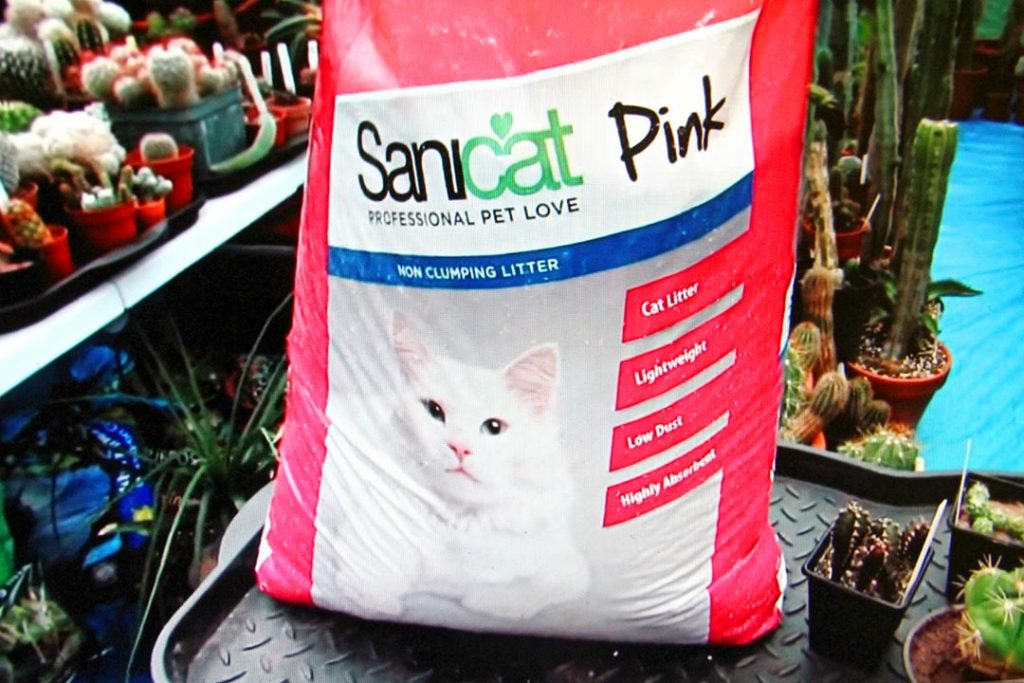
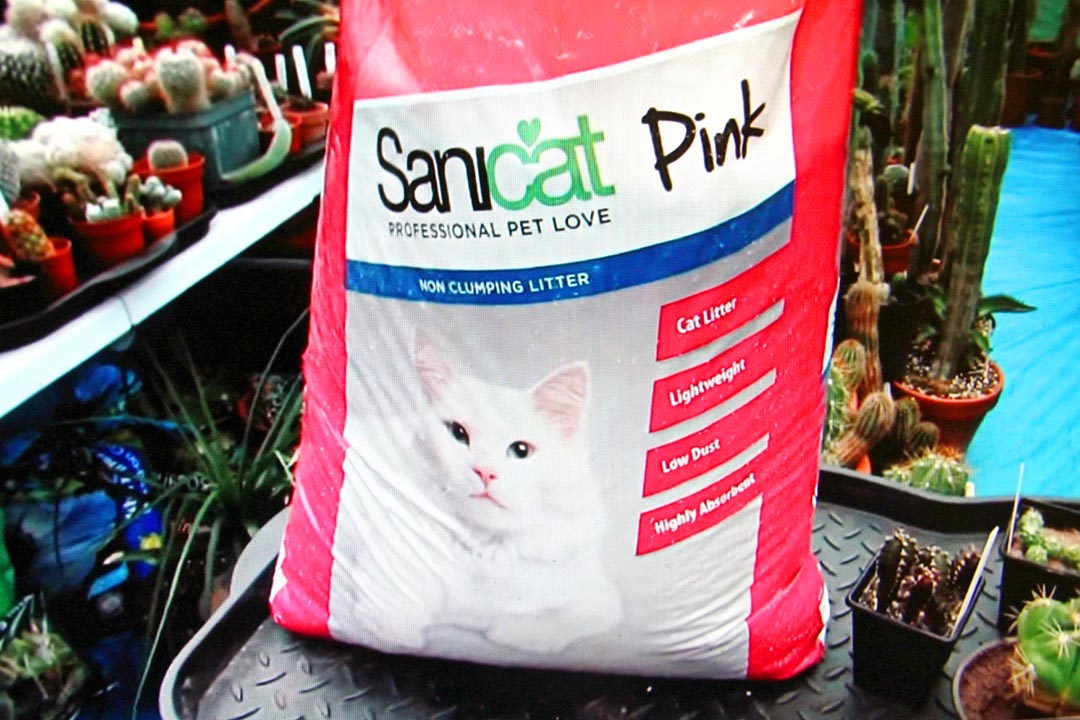
The cat litter I am recommending is by Sanicat also sold as Sophisticat and it is the pink non clumping cat litter low dust and sold as 100% molar clay. BUT Please note DO NOT use other types of cat litter ONLY ones made from 100% Molar Clay and ones that are non clumping and non perfumed, and although this cat litter does have a very light perfume it is harmless to your plants and goes away after the first watering.

Sanicat Pink cat litter Low dust lightweight non clumping
Sanicat Pink cat litter low dust, lightweight, and non clumping.

It is so important that you only use the brand I am recommending or a cat litter that you know is definitely a non clumping 100% pure molar clay variety as any other types of cat litter are intended for cat litter trays and not cacti and succulents and all other types of cat litter are sold for cats and are not suitable for cactus soils, therefore any bag of cat litter will not do and can be very harmful to your plants if you use it.

HOW I USE IT AS A SOIL ADDITION

I love to make my own cactus an succulent soil and previously I have always used horticultural sand and grit or perlite and a loam based soil such as John innes number 1, 2 or 3 but for the past 3 months now I have been using this cat litter at a ratio of half and half of 50% cat litter to 50% loam based soil and I mix both of these ingredients equally, and so far I have been very impressed.

I will be busy repotting a lot of my cacti and succulents in the Spring of 2019 as this time of year most of my plants are resting for the Winter, but I am looking forward to seeing how this soil mix of 50% Sanicat pink low dust non clumping cat litter and 50% John innes loam based soil will work for me long term so watch this space guys <3 

HOW I USE IT AS A TOP DRESSING

Top dressing your plants is not a necessity but I always think it adds a nice touch to your plants, and also it does help to keep bugs like Fungus flies and Root mealy bug away, but grit can sometimes stay a bit damp for too long on the top of the soil, and because Sanicat cat litter dries very fast once it has been wetted it makes it ideal for cacti and succulents as it does not hold damp for long because it is so fast drying 😀 

The natural pink colour of the molar clay adds a wonderful touch for top dressing your plants too 😀 

Here is a link to a video I have made for my Cactus and Succulent You Tube channel called Desert Plants of Avalon on How I use this cat litter as a grit replacement and also as a top dressing and I explain in a more detail how I use this product 😀 

Thanks so much for reading guys and let me know your views by dropping me a comment below <3 Sending you all lots of love and PLANT POWER from across the Emerald Isle and wishing you all lots of HAPPY GROWING 😀